Archives
Categories
Meta
Contact Info
044-2037378
Schärenmoosstrasse 77,
8052 Zürich
MO - FR 8.00 - 20.00 SA 09:00 - 16:00Newsletter
Herbal Medicine
Herbal Medicine
MAGIC WITH THE HERBAL REMEDIES
WHAT IS CHINESE HERBAL MEDICINE?
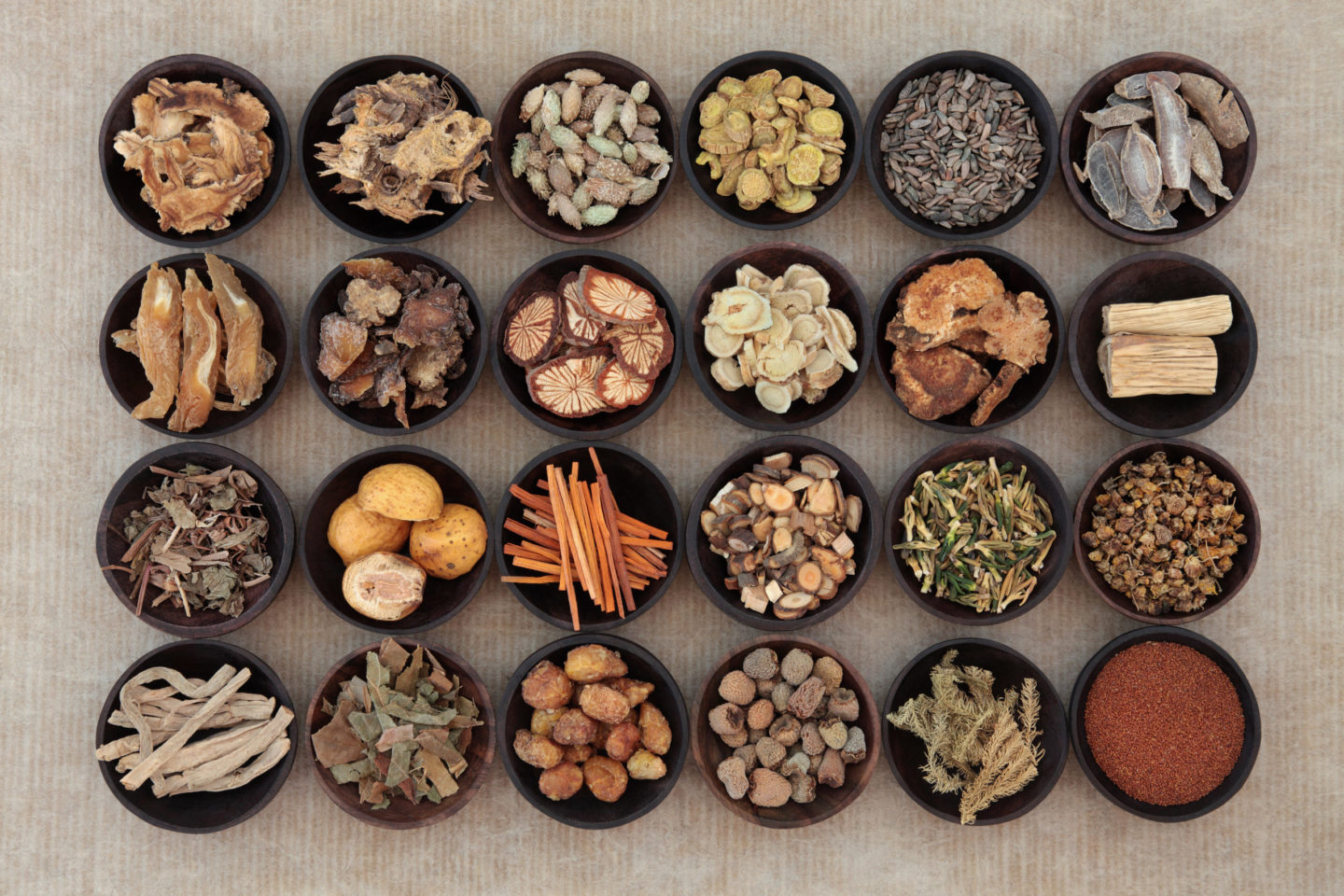
Chinese herbal medicine is part of the healing system of Traditional Chinese Medicine (TCM). Herbal remedies have become popular in the past decade and are widely used to treat and prevent various diseases.
Chinese herbal medicine is mainly based on plants, but some preparations contain mineral products. Depending on the herb and intended use, they can be packaged as powders, pastes, lotions or tablets. Different herbs have different properties and can balance certain parts of the body. Prescribing a particular herb or combination of herbs means that the doctor's diagnosis must take into account the patient's state of yin and yang and the elements that control the organs involved. Herbs can be just as powerful on the body as medicines and should be treated with the same caution and respect.
Conventional drugs are targeted and trigger specific metabolic reactions in the body. The associated side effects are usually traded as a risk versus the benefit of the primary effect. Conversely, herbal medicines act multisystemically, which means that they tend to have broad and non-specific effects on a number of physiological systems at the same time. These reactions usually have the same therapeutic effect and are complementary or synergistic with mild side effects.
THE FIVE ELEMENTS OF CHINESE HERBAL MEDICINE:
The TCM philosophy suggests that everything, including the organs of the body, is made up of the five elements: fire, earth, metal, water and wood. The herbs are similarly categorized into the five flavors - sweet, salty, bitter, hot, and sour - which correspond to the five elements. For example, since the skin is a Yang organ with a metallic element, it would be treated with a hot herb.
HOW WILL CHINESE HERBS RESTORE BALANCE?
Like acupuncture, herbal therapy treats unhealthy body patterns. Herbs are prescribed to restore the energy balance of the opposing energy forces - yin and yang - that run through invisible channels in the body.
HERE'S HOW CHINESE HERBS CAN HELP:
- Cold and Flu: They can reduce runny nose, cough, and immunity.
- Persistent fatigue: you can increase the energy.
- Sinusitis: You can improve digestion and regulate bowel movements.
- Insomnia: You can improve the quality of sleep.
- Menopause: They Can Help Relieve Hot Flashes.
- infertility: You can balance hormones to promote healthy cycles.
- Cancer treatment :: You can reduce side effects from chemotherapy and radiation.
- Diabetes: You can help prevent pre-diabetes from turning into diabetes.
Price
TCM Herbal Medicine Recipe
CHF60.00
INCL. DIAGNOSIS
-
Heal, Relax and Refresh.
Naturopathic practice and deep relaxation for body and mind
 EN
EN  DE
DE